
Introduction
Subway Protein Bowl Calories & Nutrition can vary a lot depending on the protein bowl you choose and the toppings, cheese, and sauces you add. On Subway’s U.S. menu, current protein bowl examples range from about 410 calories to 940 calories, with protein amounts varying widely as well.
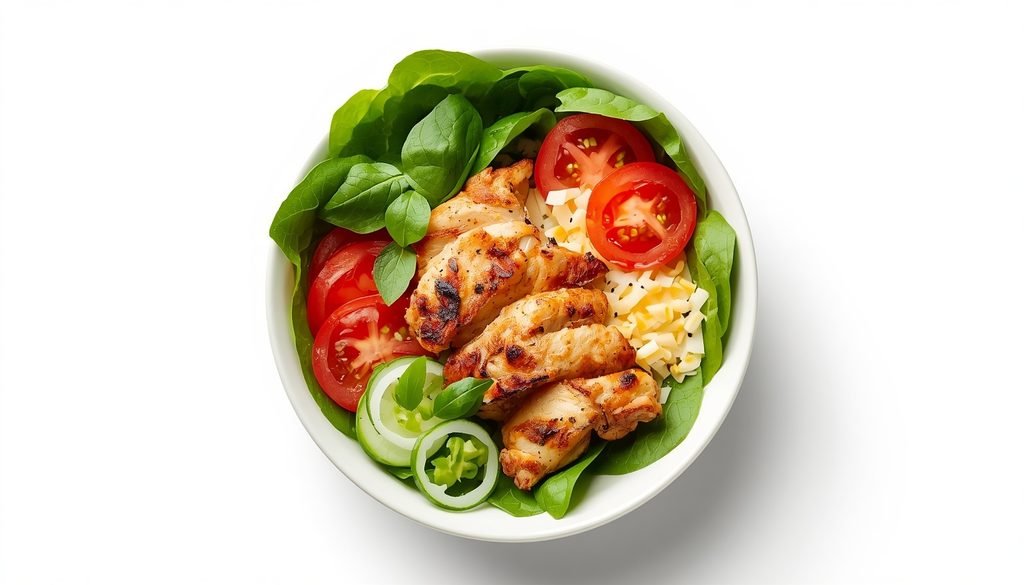
A Subway Protein Bowl is basically a sandwich turned into a bowl. It uses a bed of lettuce and spinach instead of bread, then adds meat, cheese, vegetables, and other toppings. This can make it a useful choice for people who want a filling meal without a bread roll.
Still, a protein bowl is not automatically low-calorie. Cheese, mayo, bacon, tuna, and sauces can add many calories. The best choice depends on your personal nutrition goals and the ingredients you select.
Table of Contents
What Is Subway Protein Bowl Calories & Nutrition?
Subway Protein Bowl Calories & Nutrition refers to the calories, protein, carbohydrates, fat, fiber, sodium, and other nutrients found in Subway’s protein bowl meals.
A Protein Bowl changes the usual sandwich format. Instead of bread, Subway serves the selected sandwich ingredients over lettuce and spinach. Subway’s nutrition information states that its protein bowl values can include a footlong meat portion with lettuce, spinach, tomatoes, onions, green peppers, cucumbers, and olives. Dressing and cheese may be excluded from some standard nutrition values unless they are specifically noted.
That detail matters because your final bowl can be very different from the basic menu listing.
For example, Subway currently lists a Subway Club Protein Bowl at 410 calories with 44 grams of protein and 3 grams of fiber at some U.S. locations.
A different option, the Grilled Chicken Protein Bowl, is listed at 620 calories with 48 grams of protein and 3 grams of fiber.
So, there is no single calorie number for every Subway Protein Bowl.
How Does Subway Protein Bowl Nutrition Work?
The protein sets the base
The meat or other main filling has a large effect on the nutrition of your bowl. Some choices give you plenty of protein, while others also bring more fat or calories.
Current Subway U.S. listings show examples such as:
| Protein Bowl | Calories | Protein | Fiber |
|---|---|---|---|
| Subway Club | 410 | 44 g | 3 g |
| Oven-Roasted Turkey | 570 | 44 g | 4 g |
| Grilled Chicken | 620 | 48 g | 3 g |
| Steak Philly | 630 | 43 g | 3 g |
| Tuna | 730 | 39 g | 3 g |
| B.L.T. | 560 | 22 g | 3 g |
| B.M.T. | 790 | 38 g | 3 g |
| 5 Meat Italian | 940 | 62 g | 3 g |
These figures are from Subway’s current U.S. menu pages, and availability can differ by restaurant.
Cheese, sauces, and extras change the total
The calories listed for a Protein Bowl may not include every extra you add.
For example, Subway menu pages currently show that cheese can add a significant amount to the meal. Depending on the cheese, an added serving may contribute roughly 160 to more than 200 calories. Subway also lists add-ons such as bacon and avocado separately.
This is why two people can order what seems like the same bowl and end up with different calorie totals.
Vegetables usually add less than rich toppings
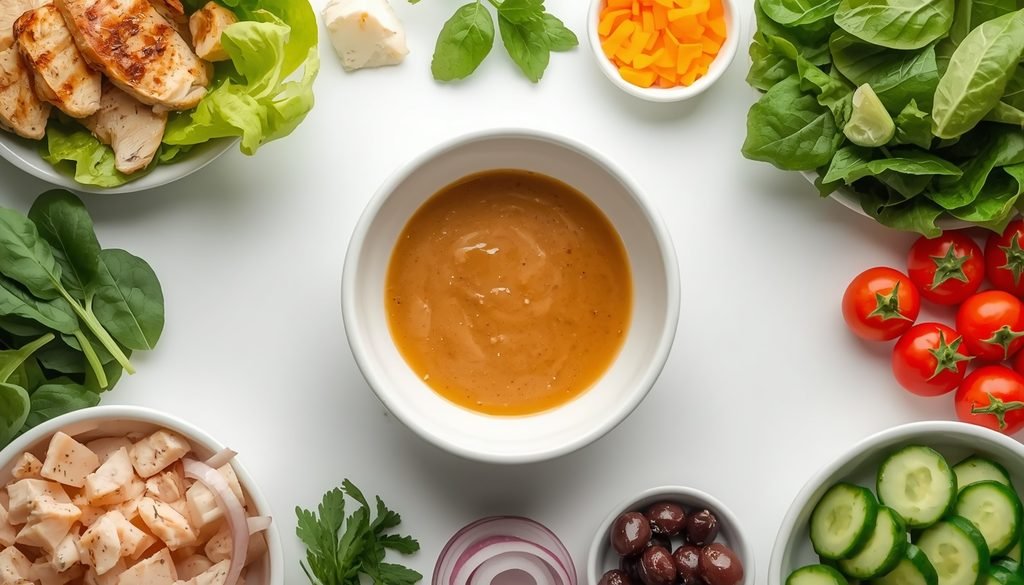
Vegetables such as tomatoes, cucumbers, green peppers, onions, lettuce, and spinach are part of the standard bowl setup on Subway’s U.S. nutrition information.
These ingredients can add volume, flavor, and texture without changing the calorie total as much as ingredients such as cheese, bacon, mayo, or creamy sauces.
Subway Protein Bowl Calories and Protein
One of the biggest reasons people search for Subway Protein Bowl Calories & Nutrition is to compare protein choices.
Here are several current examples from Subway’s U.S. menu.
Subway Club Protein Bowl
The Subway Club Protein Bowl is listed at 410 calories, 44 grams of protein, and 3 grams of fiber. It contains oven-roasted turkey, ham, roast beef, American cheese, tomatoes, cucumbers, peppers, olives, and onions on lettuce and spinach.
This is one of the lower-calorie examples among the current bowls shown on Subway’s U.S. menu.
Oven-Roasted Turkey Protein Bowl
The Oven-Roasted Turkey Protein Bowl is currently listed at 570 calories, 44 grams of protein, and 4 grams of fiber. It includes turkey, provolone cheese, vegetables, and leafy greens.
Turkey can be a simple option when you want a protein-focused meal.
Grilled Chicken Protein Bowl
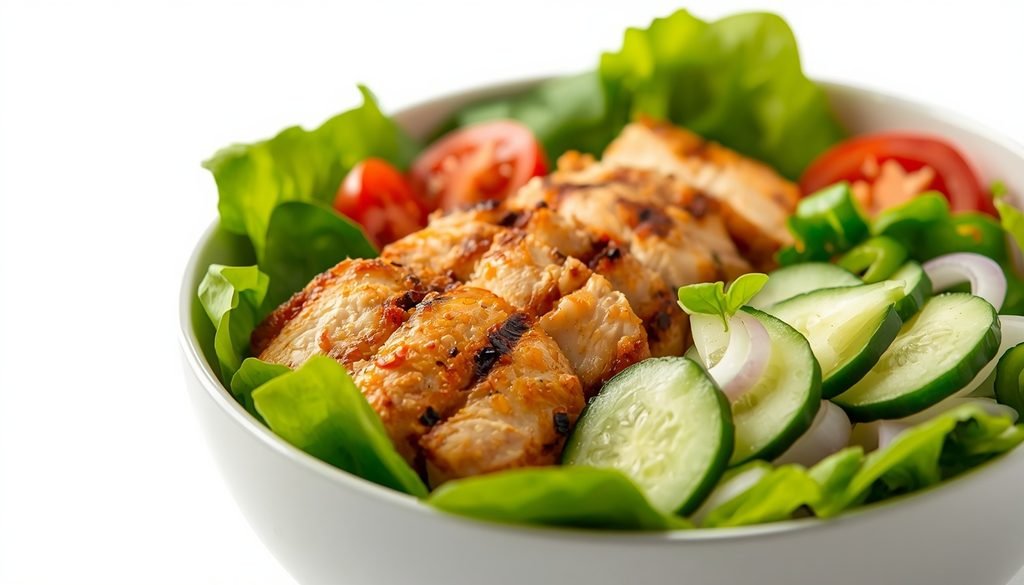
The Grilled Chicken Protein Bowl is listed at 620 calories, 48 grams of protein, and 3 grams of fiber. Subway describes it as tender grilled chicken with Monterey cheddar cheese and vegetables over lettuce and spinach.
This option provides more protein than several other current bowl choices.
Steak Philly Protein Bowl
The Steak Philly Protein Bowl is listed at 630 calories with 43 grams of protein and 3 grams of fiber. It combines steak, American cheese, vegetables, mayo, lettuce, and spinach.
The protein amount is solid, but ingredients such as cheese and mayo also contribute calories.
Tuna Protein Bowl
The Tuna Protein Bowl is currently listed at 730 calories with 39 grams of protein and 3 grams of fiber. It includes tuna, provolone cheese, vegetables, lettuce, and spinach.
Notice that a bowl can have a good amount of protein but still be fairly high in calories.
B.L.T. Protein Bowl
The B.L.T. Protein Bowl is listed at 560 calories with 22 grams of protein and 3 grams of fiber. It contains bacon, tomatoes, cucumbers, peppers, olives, onions, lettuce, and spinach.
Compared with some chicken, turkey, or beef options, it provides less protein for the calories.
B.M.T. Protein Bowl
The B.M.T. Protein Bowl is listed at 790 calories, 38 grams of protein, and 3 grams of fiber. It includes pepperoni, Genoa salami, ham, provolone cheese, vegetables, and mayo.
The combination of meats, cheese, and mayo makes this a higher-calorie option.
5 Meat Italian Protein Bowl
The 5 Meat Italian Protein Bowl is one of the higher-calorie examples. Subway lists it at 940 calories with 62 grams of protein and 3 grams of fiber.
Although it has a high protein count, it also has nearly 1,000 calories before you start changing the order.
Benefits of Subway Protein Bowls
1. They can provide plenty of protein
Protein is one of the main nutrients in these meals. Current Subway listings show several bowls with more than 40 grams of protein, including the Subway Club, Oven-Roasted Turkey, Grilled Chicken, and Steak Philly options.
Protein is important for many body functions, including maintaining and repairing body tissues.
2. You get vegetables in the bowl
A typical Protein Bowl includes vegetables such as lettuce, spinach, tomatoes, cucumbers, peppers, onions, and olives.
Vegetables can add crunch, color, and variety to a meal.
3. You can customize the meal
Subway lets customers change protein amounts and add or remove ingredients. Current menu pages show options such as regular protein, 50% more protein, and double protein for some bowls.
That makes it easier to build a bowl around your own preferences.
4. You can skip the bread
A Protein Bowl replaces the normal bread format with lettuce and spinach. For people who simply do not want bread with their meal, this offers a different way to order a Subway sandwich combination.
However, skipping bread does not automatically make the whole meal low in calories.
How to Build a Subway Protein Bowl
Step 1: Choose your main protein
Start by deciding what meat or protein you want.
Popular choices include turkey, chicken, steak, tuna, ham, and mixed-meat options. Check the current menu at your restaurant because choices can vary.
Step 2: Keep the vegetables you enjoy
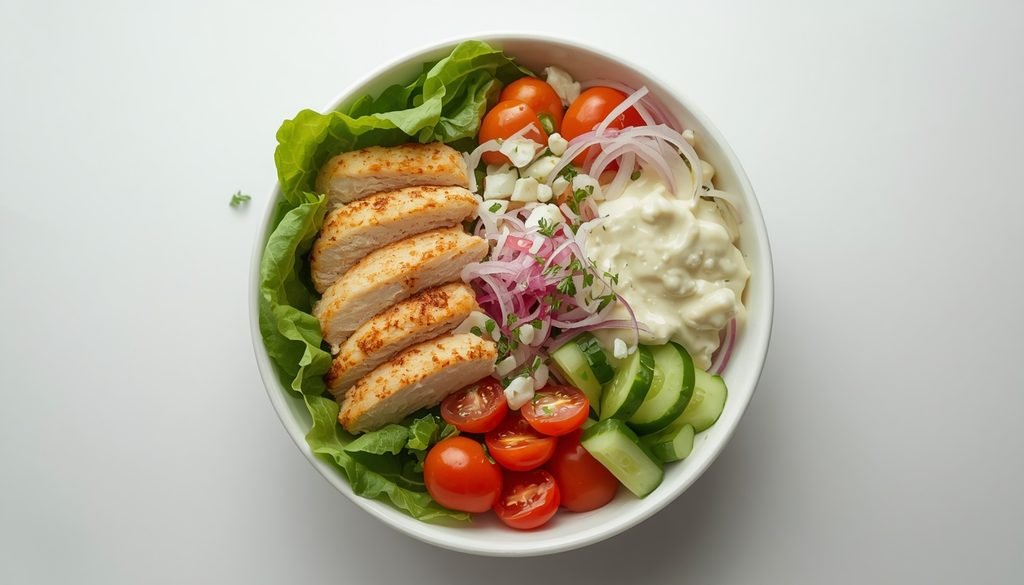
Add lettuce and spinach, then choose vegetables such as:
- Tomatoes
- Cucumbers
- Green peppers
- Onions
- Olives
Using several vegetables can make the bowl feel more complete.
Step 3: Decide on cheese and sauce
This is where calories can rise quickly.
Cheese and creamy sauces can add a large amount of energy to the final meal. Subway’s current ingredient listings show, for example, 160 calories for American cheese, 196 calories for Pepper Jack, and 180 calories for provolone in some U.S. menu customizers.
Read the nutrition information for your selected ingredients rather than assuming every bowl has the same total.
Step 4: Check the final nutrition information
After customizing your bowl, look at the final calorie and protein total.
This is more accurate than using a generic number because your toppings can change the meal.
Practical Examples
Example 1: A protein-focused bowl
Imagine a customer chooses a Subway Club Protein Bowl and keeps the standard ingredients.
Subway currently lists this bowl at 410 calories and 44 grams of protein.
This example shows that a protein-heavy meal does not have to be one of the highest-calorie options on the menu.
Example 2: A higher-calorie bowl
Imagine another customer chooses a 5 Meat Italian Protein Bowl.
Subway lists this option at 940 calories and 62 grams of protein.
The bowl has more protein than the Subway Club example, but it also has more than twice the calories.
This is an important lesson: more protein does not always mean fewer calories.
Common Mistakes
Mistake 1: Assuming every Protein Bowl is low in calories
The word “protein” can make a meal sound light, but that is not always true.
Current Subway U.S. listings include Protein Bowls at 410, 560, 620, 730, 790, and 940 calories, among other options.
Always check the actual nutrition information.
Mistake 2: Forgetting about sauces and cheese
People often focus on the meat and vegetables but forget that extras can change the total.
Subway lists cheese and several add-ons separately, so a customized bowl may have a very different calorie count from the standard listing.
Mistake 3: Choosing only by protein grams
A bowl with more protein is not automatically the best choice for every person.
The better choice depends on your total diet, energy needs, and goals.
Mistake 4: Using old calorie numbers
Restaurant menus change over time. Ingredients, recipes, portion sizes, and available products may also vary.
That is why it is better to check the current Subway nutrition information before ordering.
Tips and Best Practices
For a more balanced Subway Protein Bowl, focus on the full meal instead of just one number.
Start with a protein you enjoy. Then add several vegetables for more variety.
Pay close attention to cheese, bacon, mayo, creamy sauces, avocado, and other calorie-dense toppings. These ingredients can make a large difference in the final total. Subway’s current menu pages list some extras separately, including bacon and avocado.
It also helps to compare calories and protein together.
For example, if two bowls both sound high in protein, compare how many calories each one provides. That gives you more useful information than looking at protein alone.
Another smart habit is to check sodium when it matters to you. Processed meats, cheese, sauces, and other prepared ingredients can contribute substantially to sodium, so the nutrition panel is the best place to get the exact current value for your order.
Finally, remember that Subway’s U.S. nutrition pages can differ by location and menu. A bowl available at one restaurant may not be available at another, and prices or custom options can also vary.
Frequently Asked Questions
What are Subway Protein Bowl Calories & Nutrition?
Subway Protein Bowl Calories & Nutrition describes the calorie, protein, carbohydrate, fat, fiber, sodium, and other nutrition information in Subway’s bowl-style meals. The exact values depend on the bowl and any ingredients you add. Current U.S. examples range from about 410 calories to 940 calories.
How does Subway Protein Bowl nutrition work?
A Protein Bowl uses lettuce and spinach instead of bread, then adds the selected protein, vegetables, cheese, and other toppings. Your final nutrition total changes when you add or remove ingredients.
Why is Subway Protein Bowl nutrition important?
Nutrition information helps you understand how your meal fits into your overall eating pattern. Checking calories, protein, fiber, and other nutrients can help you compare different bowls and make a choice that suits your needs.
What are the benefits of Subway Protein Bowls?
Protein Bowls can provide substantial protein and several vegetables while giving customers a bread-free way to order a Subway meal. Some current options provide more than 40 grams of protein.
What are common mistakes when counting Subway Protein Bowl Calories & Nutrition?
The most common mistakes are assuming every bowl is low in calories, forgetting to count cheese and sauces, and choosing only by protein grams. Checking the complete customized nutrition information gives you a more accurate picture.
Conclusion
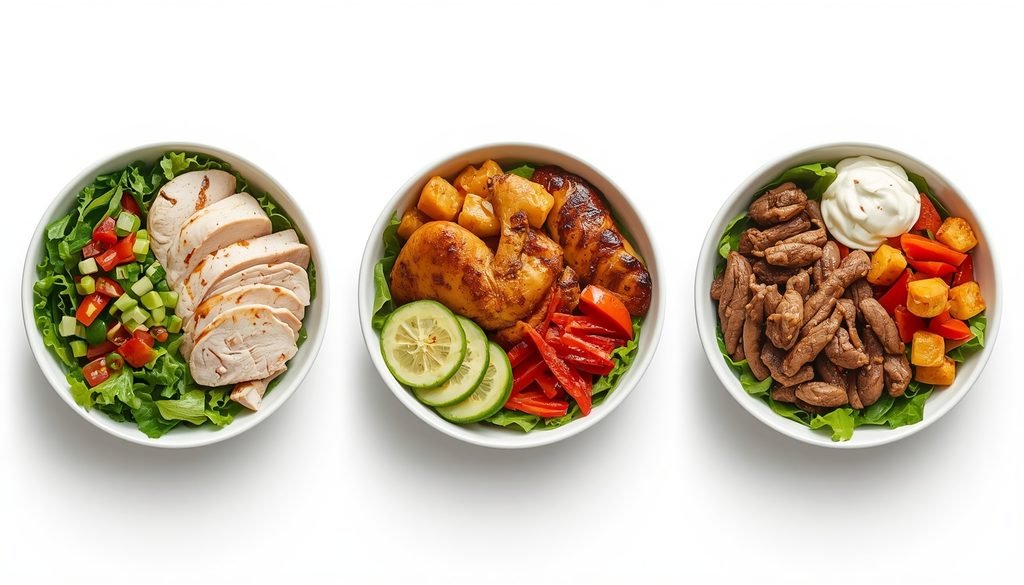
Subway Protein Bowl Calories & Nutrition can vary widely, so there is no single calorie count for every bowl. Current Subway U.S. menu examples include the Subway Club at 410 calories and 44 grams of protein, Grilled Chicken at 620 calories and 48 grams of protein, Tuna at 730 calories and 39 grams of protein, and 5 Meat Italian at 940 calories and 62 grams of protein.
The main thing to remember is that the protein choice is only part of the meal. Cheese, sauces, bacon, avocado, and other extras can change the final numbers.
For the most accurate choice, check Subway’s current nutrition information and review your complete customized order before eating. That way, you can choose a Protein Bowl based on the full meal rather than guessing from the name alone.